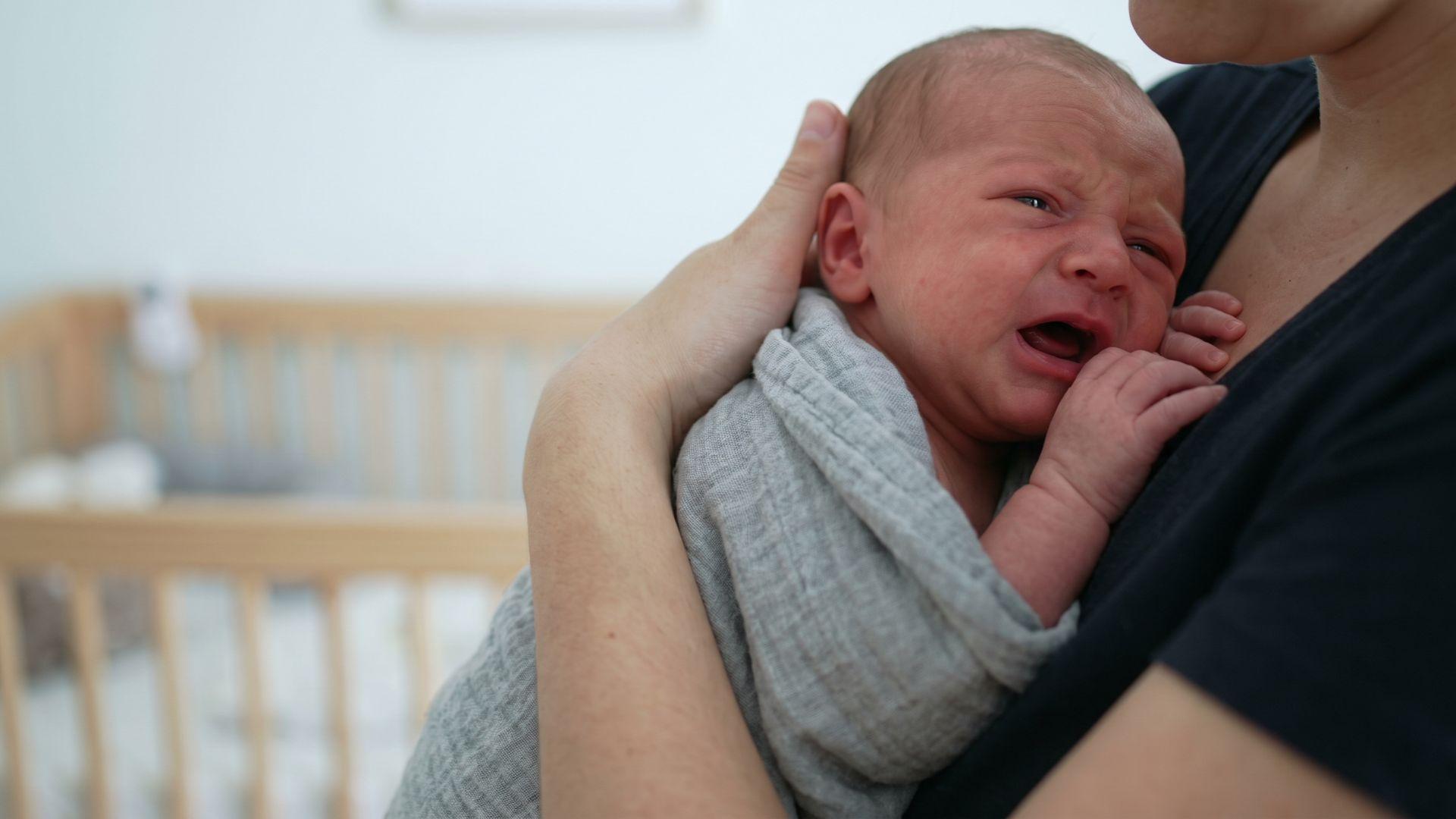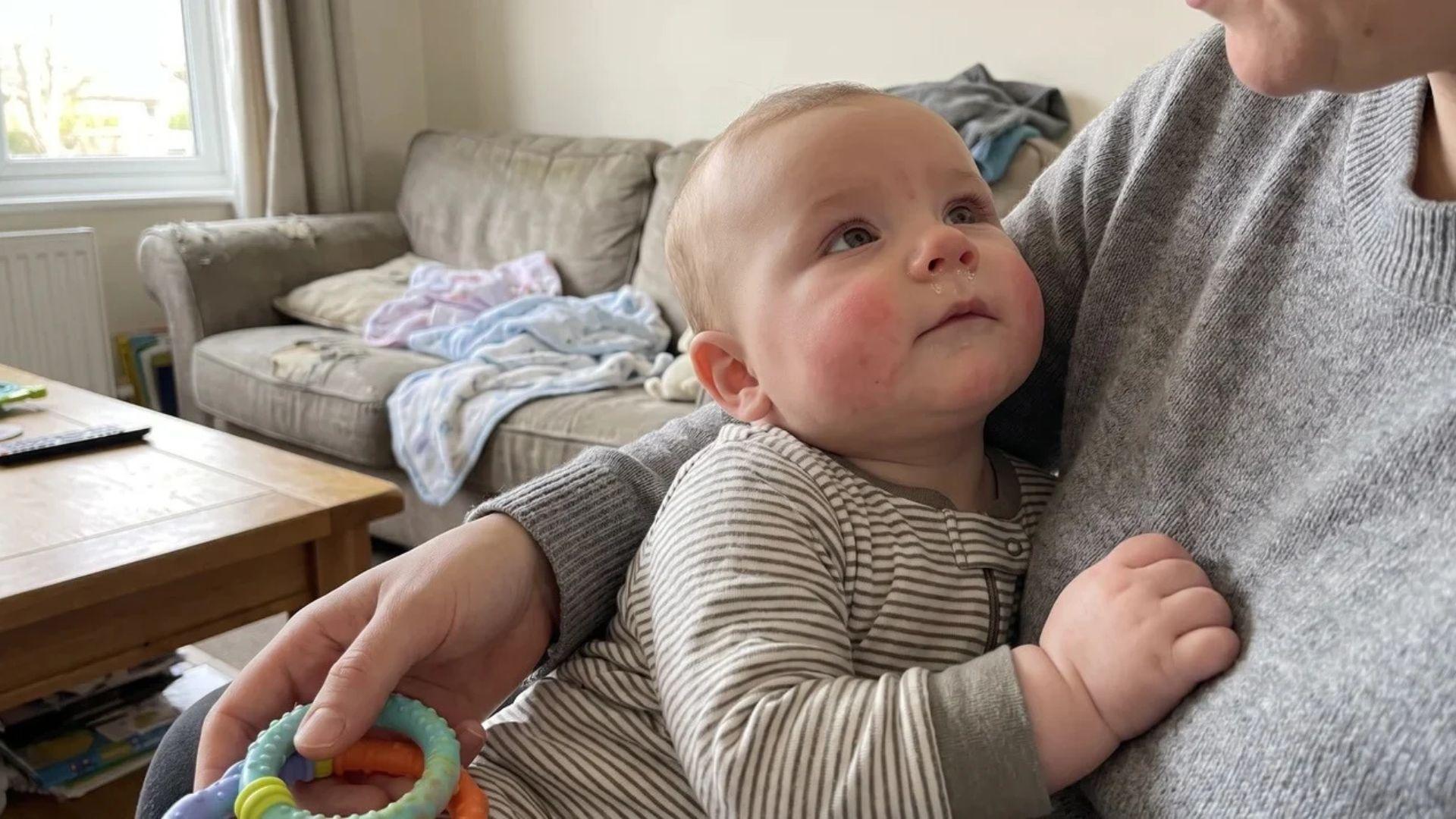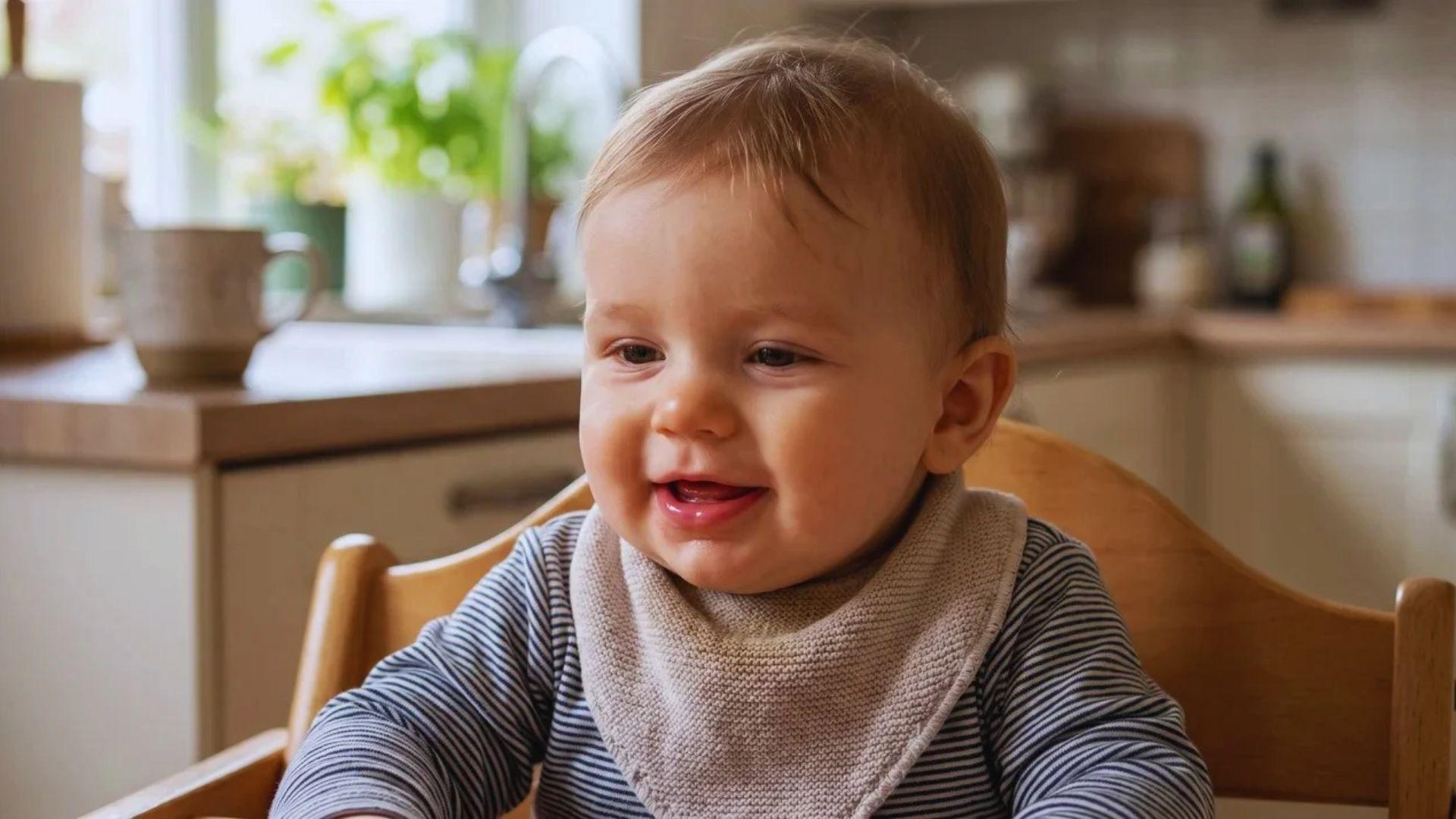
One of the most common questions I come across from new parents: Why do babies smile in their sleep?
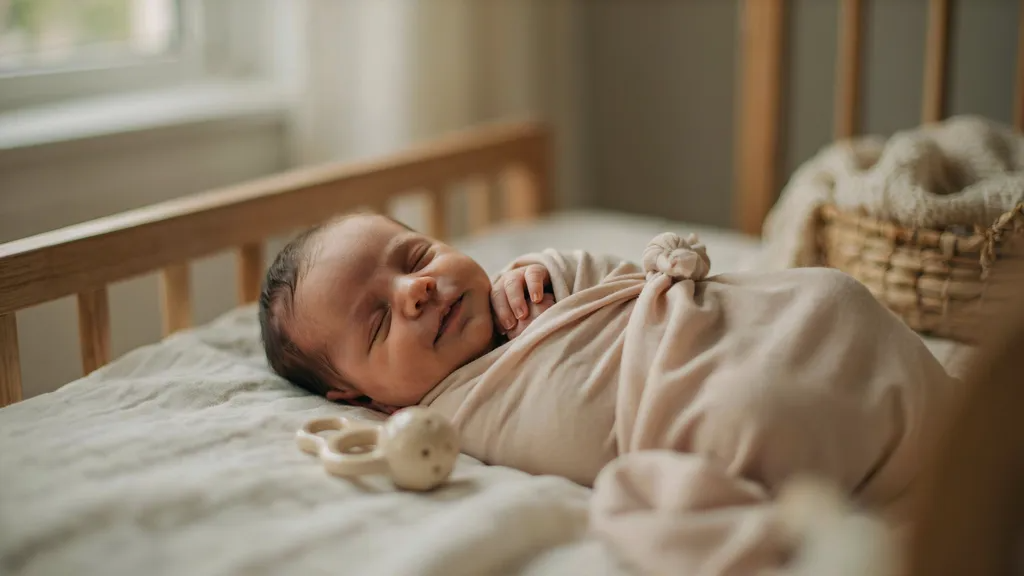
Parents describe the moment almost the same way every time. Their baby was still, eyes closed, and then a small smile crossed their face for just a second.
Many share the video, certain they have caught something significant. What they are watching is one of the clearest signs of healthy neurological development in early infancy.
The explanation, though, is not what most parents expect. In over a decade of researching early childhood development and supporting families through those early weeks, I have seen how much comfort the right answer can bring at 2 a. m.
Why Do Babies Smile in Their Sleep?
If your baby smiles during sleep, that is completely normal. It is one of the most frequent observations new parents bring to me, and the reassurance is always the same: This is healthy behavior.
Some parents worry about pain, overstimulation, or a neurological concern. A sleeping smile is none of those things. Understanding why starts with looking at what the brain is doing during sleep.
Behaviors that seem puzzling in the early weeks are almost always linked to a specific stage of development. Sleep smiling is no different.
It traces directly back to a stage of sleep called REM, and what happens there tells the whole story.
Why Does My Baby Smile in Her Sleep? The Brain Science Behind It
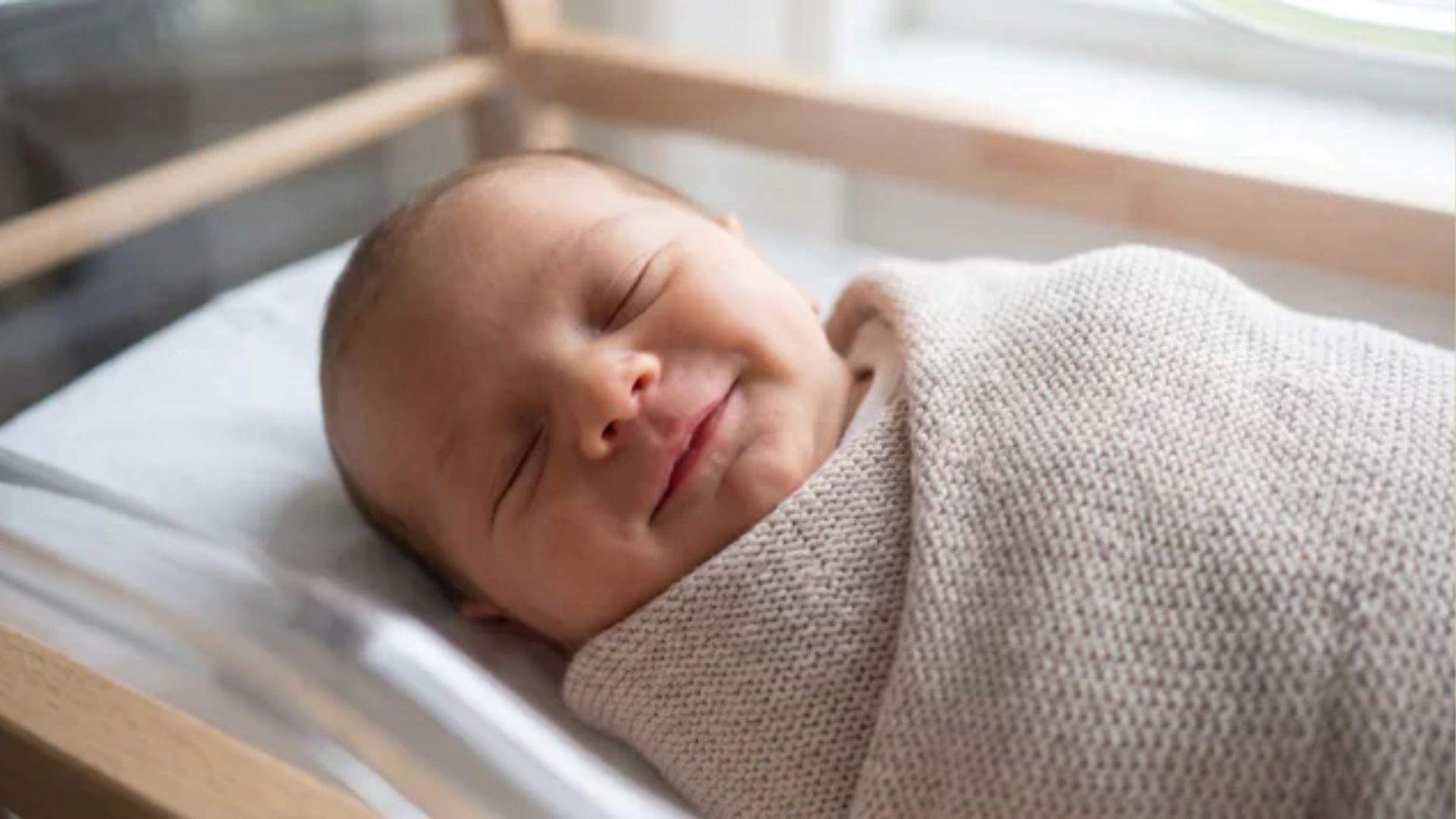
During REM sleep, your baby's cerebral cortex fires electrical impulses on its own. No dream triggers them.
Those signals reach the facial muscles, which contract briefly and release. Your baby is not choosing to smile. The brain sent a signal, and the face obeyed.
This is called motor rehearsal. The brain uses REM sleep to practice movement patterns it will need when awake. That is why sleep smiles look asymmetric and vanish in under a second.
Newborns spend far more time in REM than adults, roughly 50 percent of their sleep compared to around 20 percent in grown-ups, according to the American Academy of Pediatrics. These smiles appear often because of it.
Reflex Smiles vs. Real Smiles: What's Actually Different?
Reflex smiles occur during sleep or on the drowsy edge of it, with no interaction involved. Social smiles happen when your baby is awake, alert, and responding to another person.
The difference sounds straightforward, but in those early weeks it is easy to read too much into what you are seeing.
| What to Look For | Reflex Smile | Social Smile |
| When it appears | During sleep or drowsy state | Awake and alert |
| What triggers it | Involuntary brain signal | Your face, voice, or expression |
| How long it lasts | Under a second | Holds briefly |
| Symmetry | Often lopsided | Both sides of the face |
| Eye contact | None | Present before and after |
| Starts at | Birth | Around 6 to 8 weeks |
A reflex smile passes in under a second and is often lopsided. The corners of the mouth do not fully engage, and there is no eye contact before or after. Nothing you do triggers it, and nothing you do stops it.
A social smile works differently in every way that matters.
It arrives when your baby is awake and focused on your face. It responds to your voice or expression, involves both sides of the face, and holds for a moment. It feels like a genuine exchange.
Social smiles typically begin somewhere between six and eight weeks. That is one of the developmental markers I look for when assessing social and emotional progress in those early months.
The shift happens because the cerebral cortex, which fired those impulses involuntarily during REM, begins coming under conscious control.
The same motor circuits that activated randomly during sleep now fire in response to interaction.
That is what turns a muscle reflex into a real smile. It is one of the most meaningful moments in early social development.
What Your Baby's Sleep Smiles Are and Aren't Telling You
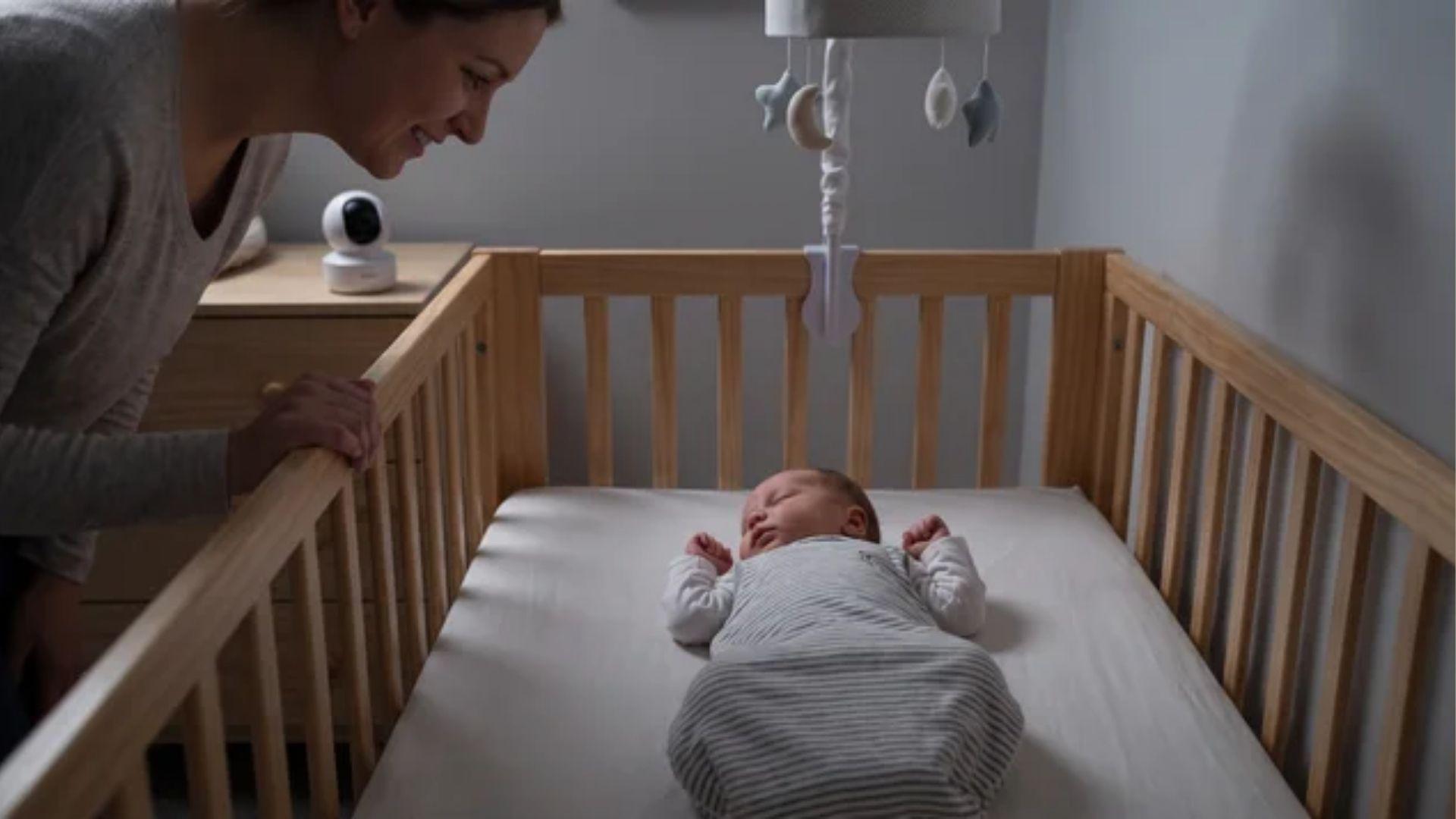
A sleep smile is a sign of healthy neurological development. It tells you the brain is active, growing, and moving through REM sleep the way it should at this stage.
There is nothing you need to do when you see one. You do not need to respond to it, encourage it, or worry that you are missing something. The smile is not directed at you, and it does not require anything from you.
Watch it. Take the photo. That is the right response.
When Should You Call Your Pediatrician?
A smile on its own, even a frequent one, is just a growing brain doing what it is built to do.
The one scenario worth raising with your pediatrician is when a sleeping smile appears alongside something else.
These combinations are uncommon, and most families never encounter them, but they deserve a call:
- Full-body stiffening during or after the smile
- Sustained rhythmic jerking of the limbs
- Unusual or rapid eye movements at the same time
- Any repetitive movement that follows a consistent pattern and cannot be stopped by gently repositioning your baby
- Noticeable changes in breathing alongside facial movements
A smile with none of the above is not a concern. It is a healthy development in motion.
If you are ever in doubt, your pediatrician would always rather hear from you than not.
Key Takeaway
Sleep smiling is normal, common, and a sign that your baby's brain is developing the way it should.
Reflex smiles begin at birth and continue through the early months. Social smiles, the ones that feel like real exchanges, follow around six to eight weeks.
The only time a sleep smile calls for a closer look is when it appears alongside body stiffening, rhythmic jerking, or unusual eye movements.
A smile on its own, at any hour of the night, needs nothing from you except the photo.
For more on your baby's development in those early weeks, see our guide to newborn sleep stages and what to expect.
Smile Solved
Why do babies smile in their sleep? Their brains are practicing. Every fleeting grin at 2 a. m. runs through the same motor circuits your baby will one day use to smile back at you on purpose.
You are not watching a mystery. You are watching early development in real time.
That is worth holding onto the next time you are hovering over the crib, phone in hand, wondering what it means.
If this helped, share it with a new parent who needs reassurance tonight.
Frequently Asked Questions
Why Does My Baby Giggle or Laugh in Her Sleep?
REM sleep can trigger facial muscles, vocal cords, and the diaphragm, causing brief sounds that resemble laughter. These involuntary movements are normal during sleep.
Why Do Babies Smile and Cry in Their Sleep?
REM sleep can cause involuntary facial movements that look like smiling or crying. These expressions do not necessarily reflect dreams or emotions.
Is a Smiley Baby a Happy Baby?
Frequent smiles and eye contact while awake are positive signs of social development. Sleep smiles are reflexes and do not indicate your baby's mood.
Why Does My Baby Still Smile in Her Sleep at 4 or 5 Months?
Sleep smiles can continue at four to five months because REM sleep still causes involuntary movements. Social smiling while awake should also be well established by this age.