
Most babies begin using their first meaningful words around the end of the first year, but the exact timing varies from child to child. You may hear your baby say “mama” during babbling before they understand what the sound means.
Later, they may use “mama” intentionally when they see you, reach for you, or want your attention. Understanding this difference can help you recognize early speech progress without focusing too much on a specific age.
This guide explains when babies may say mama, how babbling develops into meaningful speech, and which communication milestones to watch as your baby grows.
You’ll also learn simple ways to encourage language development through talking, reading, singing, and everyday interactions.
Is “Mama” Usually a Baby’s First Word?
Yes, “Mama” can be one of a baby’s first meaningful words, but there is no exact age when every baby should say it.
Babies often practice “ma” and other repeated sounds during babbling before they connect those sounds with a person.
A baby may say “mamamama” during the babbling stage without using it to mean their mother. A meaningful word is different because your baby uses the sound consistently for a specific person, object, or need.
For example, saying “mama” while looking at you or reaching toward you suggests that your baby is beginning to connect the sound with you.
Baby Speech Milestones by Age
This age-by-age guide shows how babies’ sounds and communication skills typically develop during the first 18 months. Each stage highlights common vocal changes, from early cooing and babbling to meaningful first words.
0 to 3 Months: Early Communication Sounds
During the first three months, babies mainly communicate through crying, facial expressions, and body movements.
They also begin making cooing and vowel-like sounds, such as “ah” and “oh.” Babies may calm when they hear a familiar voice and start paying attention to sounds around them.
These early responses help build the foundation for later communication.
4 to 6 Months: Babbling Begins
Between 4 and 6 months, many babies become more interested in experimenting with their voices.
They may laugh, squeal, make sounds such as “ba” or “ga,” and play with changes in pitch. They may also respond to sounds by making sounds of their own.
These vocal experiments are part of normal early communication and prepare babies for more advanced babbling.
7 to 9 Months: Repeated Sounds and Babbling
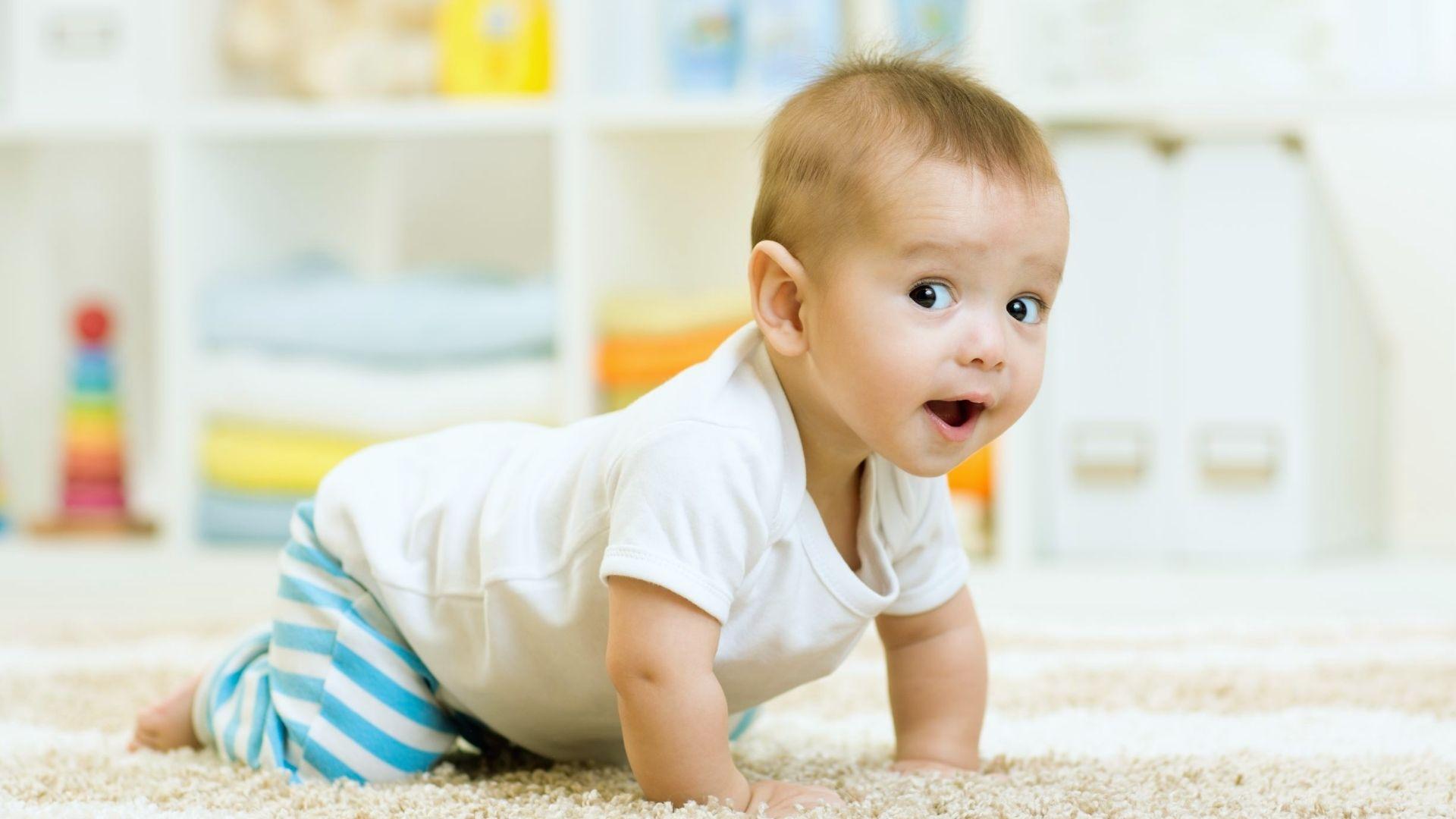
Babbling often becomes more varied during this period. Your baby may repeat sounds such as “mamamama,” “bababa,” or “dadada.”
Although these sounds may resemble words, they do not necessarily have a specific meaning yet.
Your baby is learning how to combine sounds and take part in early back-and-forth communication.
10 to 12 Months: First Words May Appear
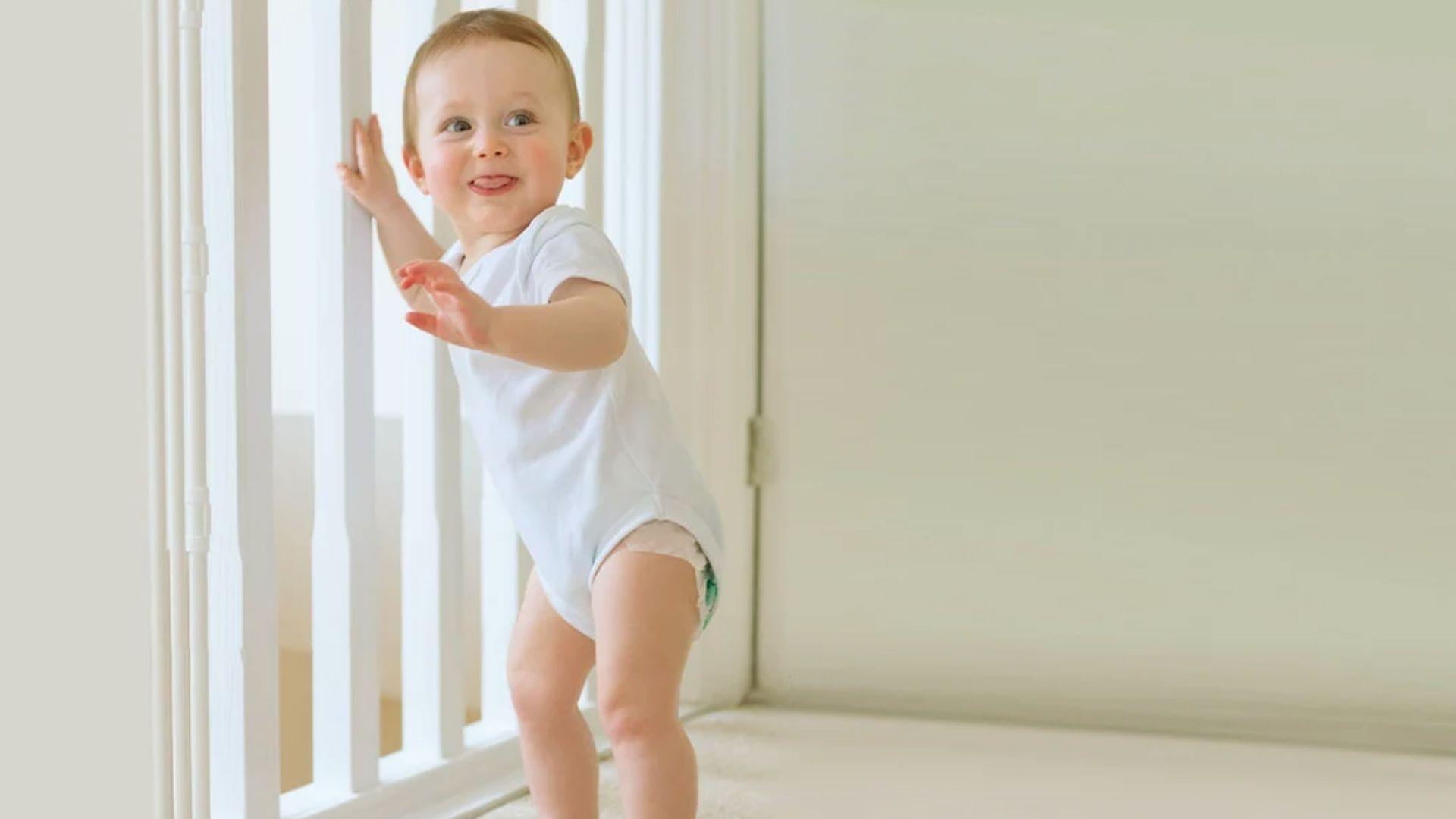
Around the end of the first year, some babies begin using words intentionally. “Mama” or “dada” may become meaningful words if your baby uses them consistently for a particular person.
Babies may also communicate through gestures, sounds, and familiar words they hear often. Understanding usually develops alongside or ahead of spoken language.
12 to 18 Months: More Words and Communication
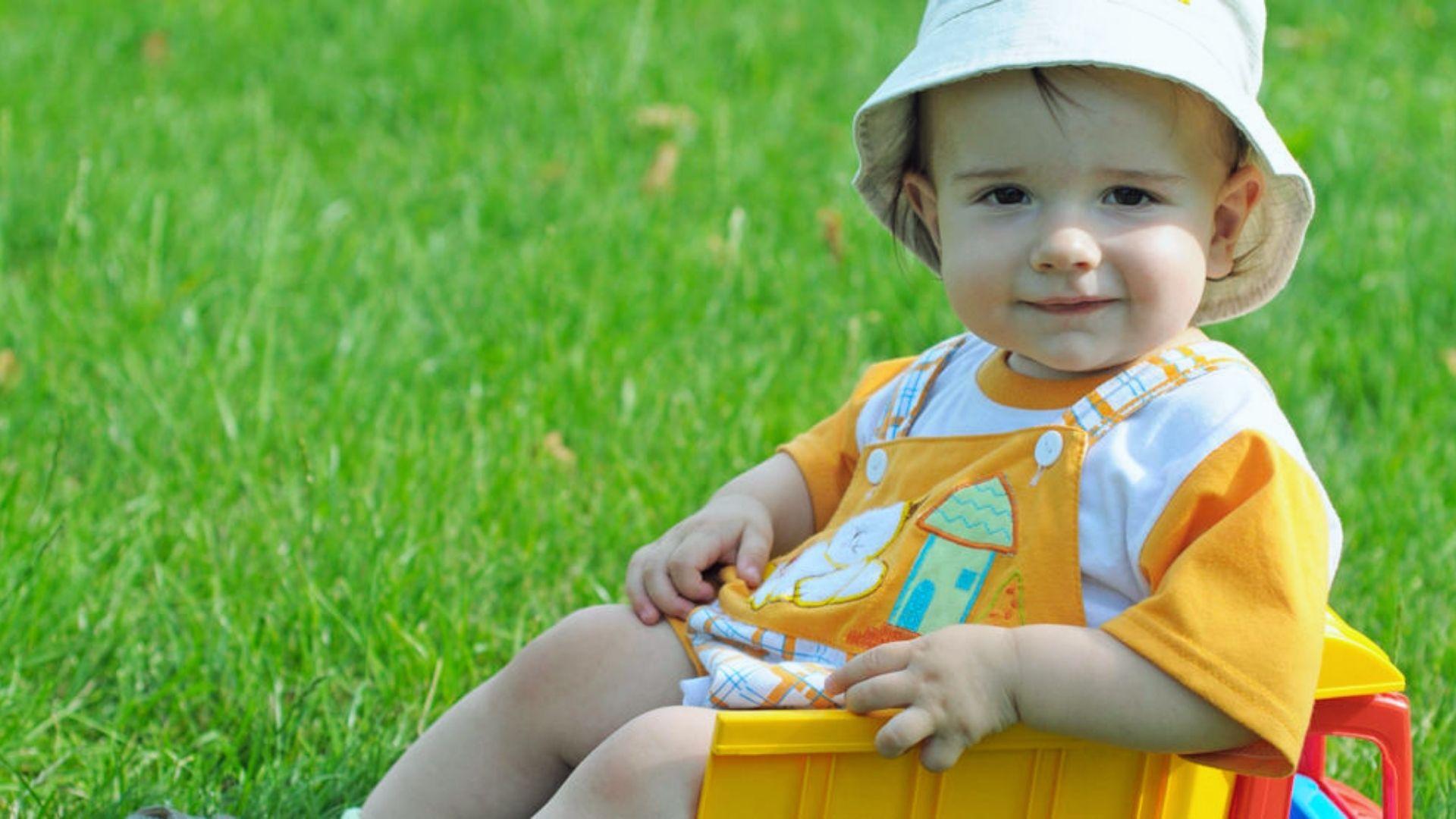
During the second year, many toddlers gradually add more words to their vocabulary. They may use words for familiar people, foods, toys, animals, or everyday activities.
Some children speak more than others at this stage, so vocabulary size can vary.
Gestures, facial expressions, sounds, and understanding of language are also important parts of communication development.
What Does It Mean When a Baby Says “Mama”?
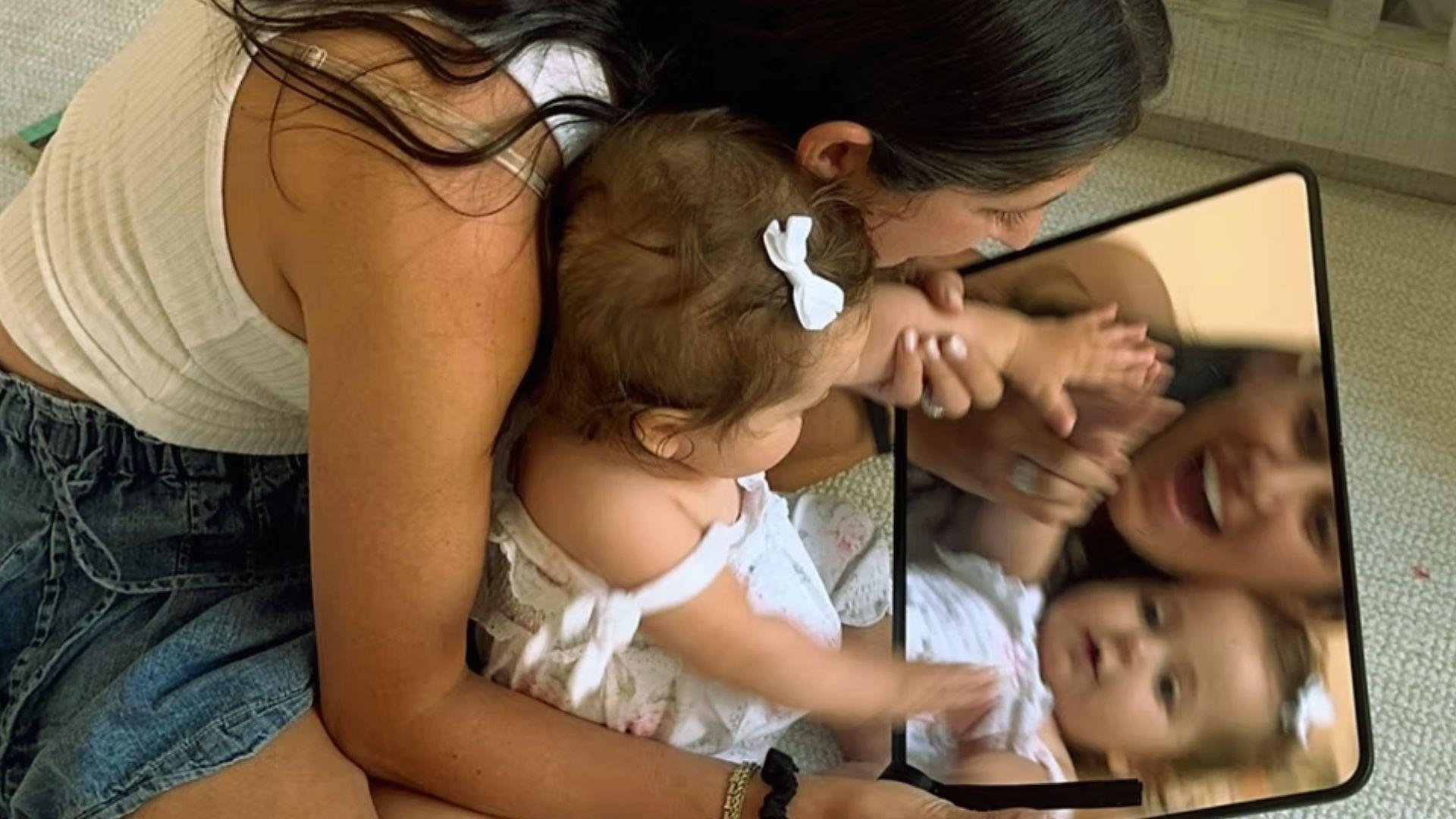
“Mama” may begin as simple babbling before your baby understands that the sound refers to a specific person. Repeated sounds such as “mamamama” are common as babies practice combining syllables and experimenting with speech.
The word becomes meaningful when your baby consistently uses “mama” for a particular person, such as looking at you, reaching toward you, or calling for you while saying the word. Babies learn word meanings through repeated interactions and everyday routines.
Some babies say “mama” earlier or later than others, so focus on overall communication progress rather than a specific age. If you have concerns, talk with your pediatrician.
Signs of Typical Early Language Development
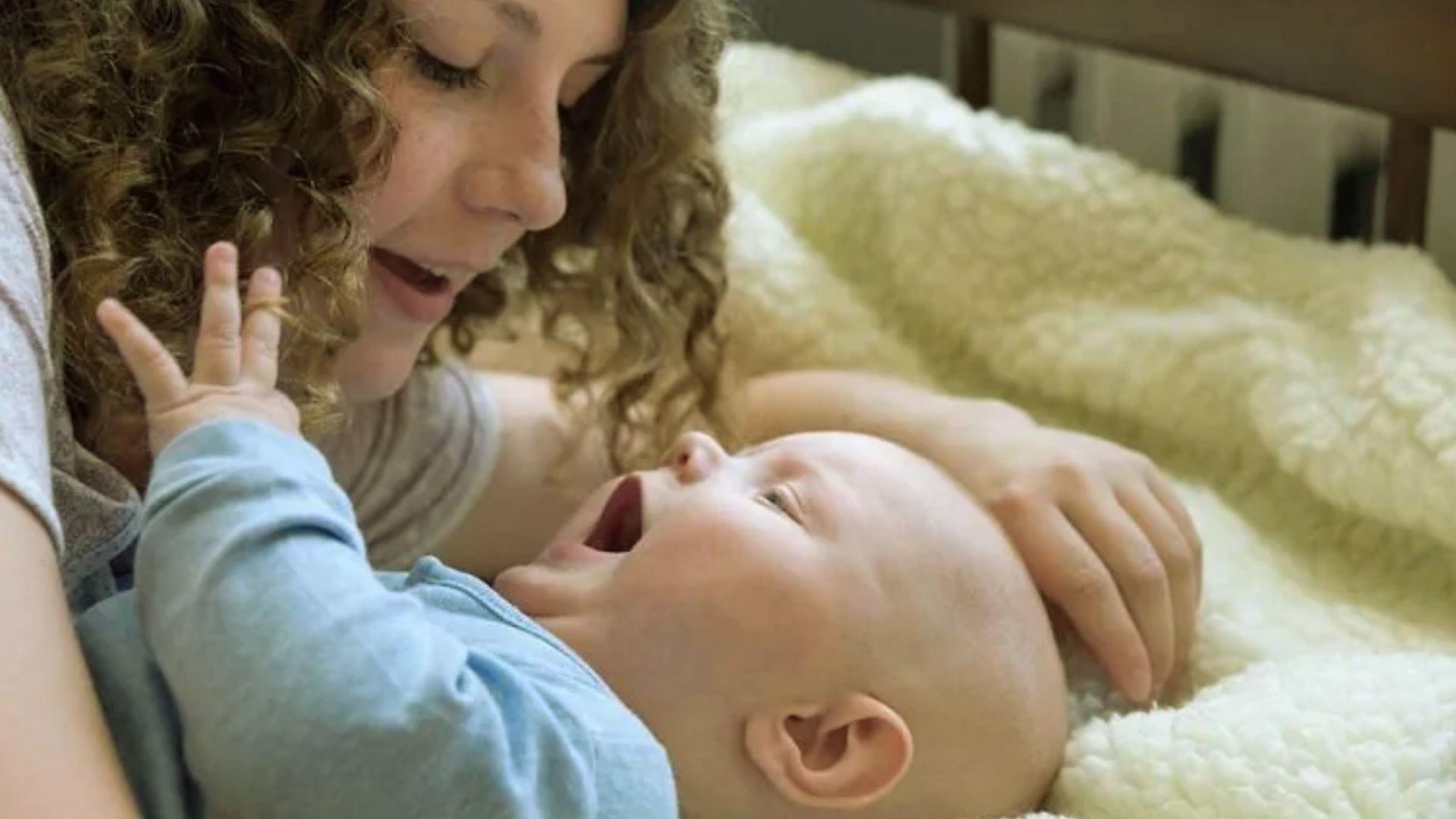
Early language development includes more than saying words. Babies also build communication skills by responding to sounds, making different noises, using gestures, and understanding familiar words.
Responding to voices and sounds: Babies gradually become more attentive to voices and sounds. They may turn toward a familiar voice, react to sudden noises, or become more engaged when someone talks to them.
Making different sounds and babbling: Vocal development usually changes from cooing to a wider range of sounds and eventually syllable combinations. New sounds and changes in vocal play can show communication progress without expecting every sound at a specific age.
Imitating sounds and facial expressions: Babies may copy smiles, mouth movements, tongue movements, or sounds during face-to-face interaction. These attempts support attention, turn-taking, and early vocal practice.
Using gestures to communicate: Babies may reach, wave, point, or use other movements to express needs and get attention. Responding to these gestures and naming what they mean can help connect communication with language.
Understanding simple words and requests: Babies may recognize familiar names, words, routines, or simple requests as they approach their first birthday and beyond. Timing varies, so focus on the overall pattern of communication rather than one isolated milestone.
How to Support Your Baby’s First Words
Simple daily interactions can give your baby frequent opportunities to hear and practice language. Talking, reading, singing, and responding to sounds can support early communication and first-word development.
Talk to Your Baby Throughout the Day
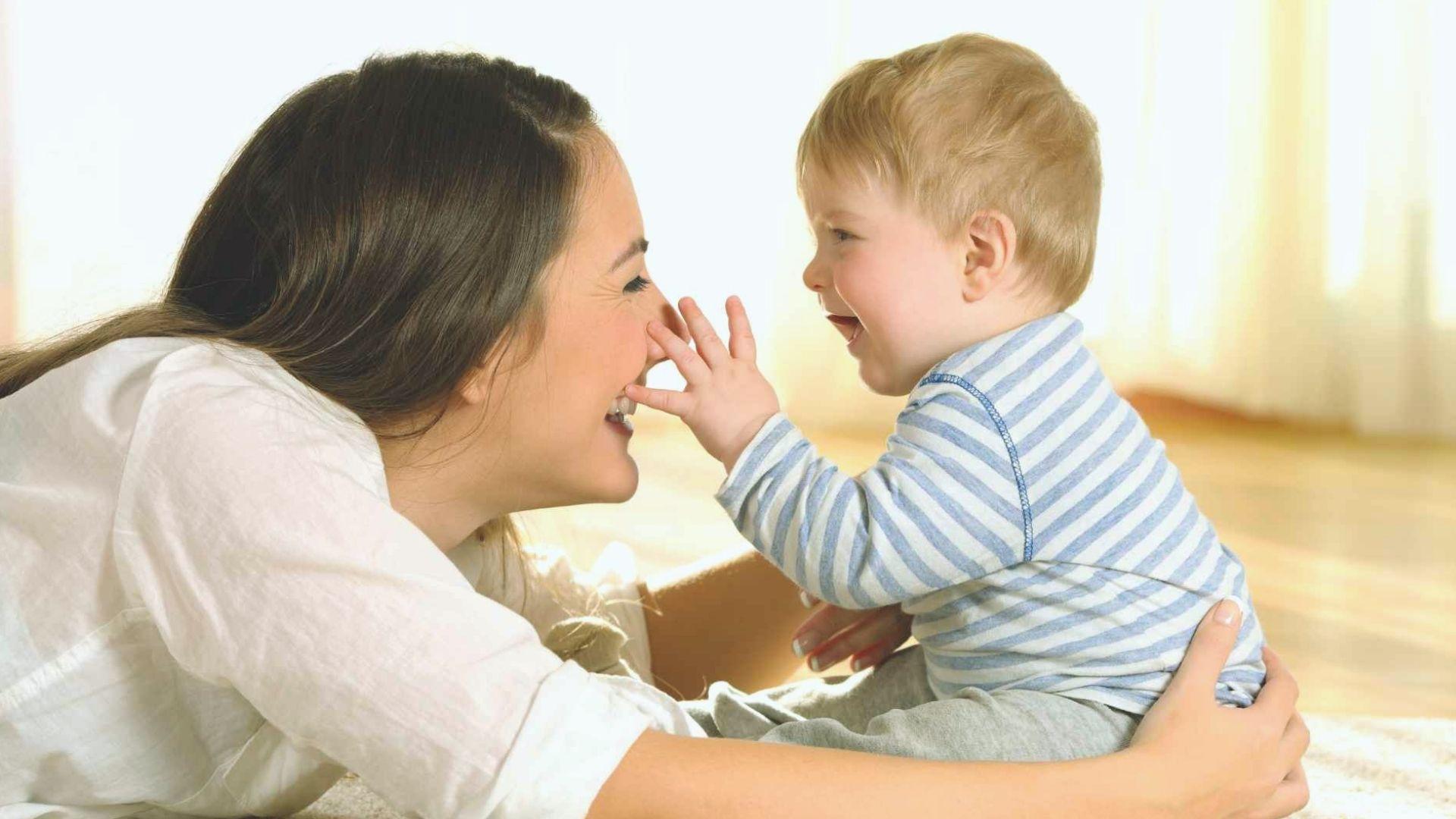
Use everyday activities as chances to introduce simple words. You can name foods during meals, describe clothing while getting dressed, or point out objects during a walk.
Short, clear phrases give your baby repeated exposure to language in situations where the meaning is easy to understand.
Repeat Simple Words Like “Mama” and “Dada”

Repeat familiar words naturally during daily routines instead of asking your baby to repeat them over and over. When you say “mama” while looking at yourself or “dada” when talking about another parent, your baby can hear the word in a clear context.
Repetition gives babies more opportunities to recognize sounds and connect them with meaning.
Use Face-to-Face Interaction

Get close to your baby and make eye contact while talking, singing, or playing. Face-to-face interaction gives your baby a chance to watch your expressions and mouth movements while also hearing your voice.
Follow your baby’s attention and respond to the sounds, gestures, or objects that interest them.
Read Books and Sing Songs Together
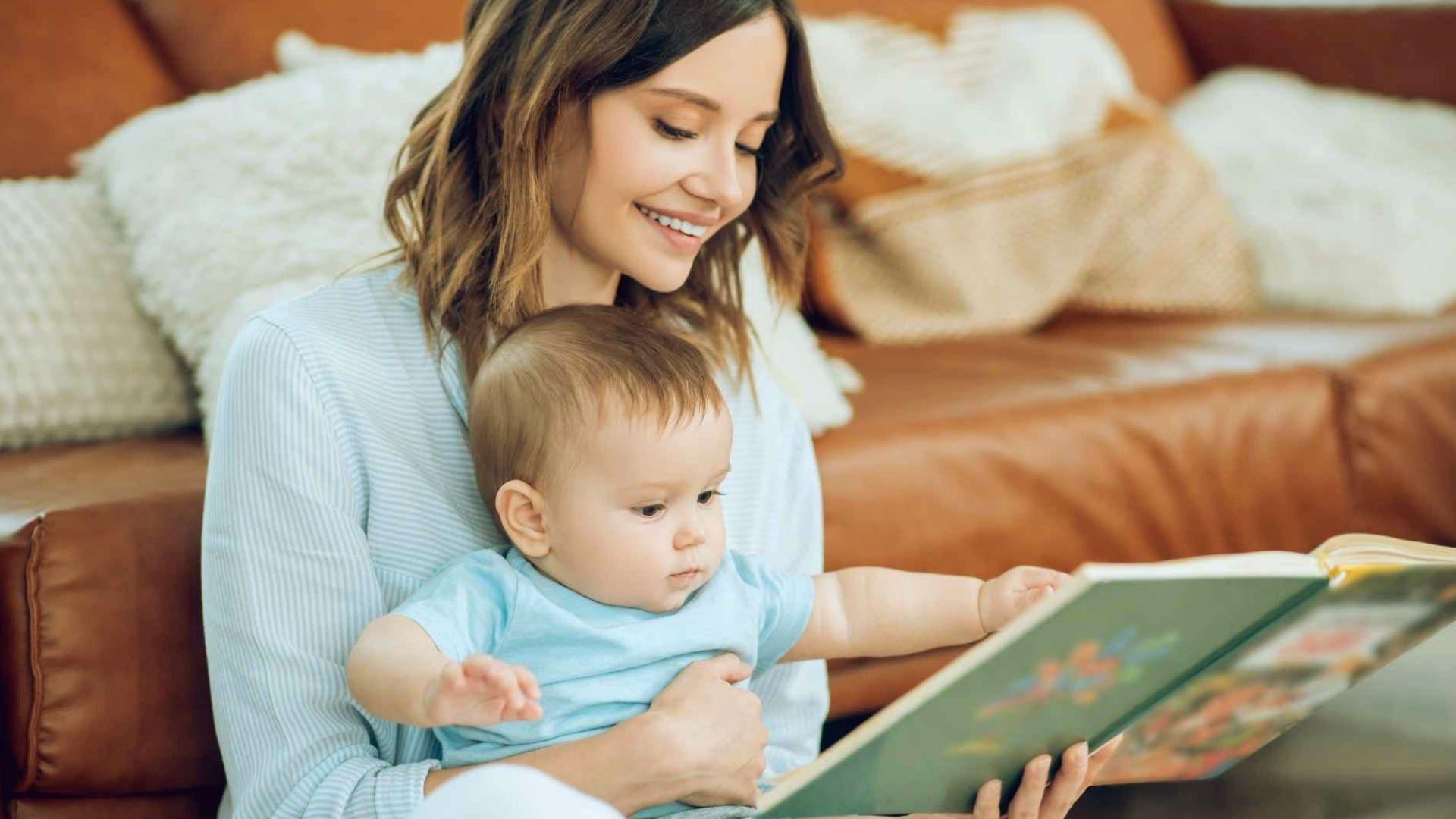
Picture books, nursery rhymes, and simple songs provide repeated exposure to words and sounds. Point to pictures, name familiar objects, and pause occasionally so your baby can make a sound or gesture.
You do not need to finish every page because the goal is shared interaction rather than reading quickly from beginning to end.
Habits That Can Support Early Language Practice
Small changes in daily routines can create more opportunities for babies to hear and practice language. Interactive play, talking, reading, and responsive conversations can all support early communication.
- Prioritize talking, reading, singing, and playing together over passive screen viewing, while keeping plenty of opportunities for direct interaction.
- After talking to your baby, pause for a few seconds so they can respond with a sound, movement, facial expression, or gesture.
- Talk to your baby during everyday activities such as feeding, bathing, changing clothes, and playing to provide regular exposure to familiar words.
- Use playful sounds while also saying clear, simple words such as “milk,” “ball,” “mama,” and “up” during everyday interactions.
- Read simple picture books regularly by pointing to objects, naming pictures, and letting your baby touch or turn the pages.
- Respond to your baby’s babbling, smiles, pointing, and reaching by copying sounds, adding words, or naming what they may want.
When Should You Be Concerned About Speech Development?
There is a wide range of normal communication development, but some signs deserve attention.
Talk with your pediatrician if your baby is not showing expected communication progress, does not respond to sounds or voices, is not developing babbling as expected, or has difficulty using gestures and other ways to communicate.
A child who loses communication skills they previously had should also be evaluated promptly. Your pediatrician may recommend a hearing evaluation or referral to a speech-language professional when appropriate.
Rather than focusing only on whether your baby has said “mama,” look at the broader pattern of communication. Changes in sounds, gestures, understanding, social interaction, and attempts to communicate can all provide useful information.
If something concerns you, you do not need to wait for a particular birthday before asking for advice.
Tips for Encouraging Early Speech at Home
Simple, everyday interactions can help your baby build early communication and language skills.
Follow your baby’s attention: Talk about the toy, person, food, or object your baby is already looking at or touching.
Name familiar objects: Use simple words such as “ball,” “milk,” “dog,” or “shoe” during everyday routines.
Pause after speaking: Give your baby time to respond with a sound, gesture, facial expression, or movement.
Use short phrases: Keep language simple and repeat important words naturally throughout the day.
Copy your baby’s sounds: If your baby says “ba,” try saying “ba” back and then add a word such as “ball.”
Read and sing regularly: Repeated books, songs, and rhymes expose your baby to familiar sounds and words.
Celebrate communication attempts: Smile, respond, and show interest when your baby tries to communicate.
Conclusion
Babies may babble sounds like “mama” before they understand what the word means. A meaningful “mama” develops when your baby begins using the sound consistently to refer to you or get your attention.
First words can appear at different times, so it is more useful to watch your baby’s overall communication progress than focus on one exact age. Talk, read, sing, and respond to your baby’s sounds and gestures during daily routines.
Give your baby time to take turns in simple interactions and practice communicating. If you have concerns about speech, hearing, or lost communication skills, talk with your pediatrician.
Frequently Asked Questions
What age do babies usually say “mama”?
Some babies begin using “mama” meaningfully around the end of the first year, but the timing varies. A baby may also babble “mama” earlier without using it as a specific word.
How can I tell if my baby is really saying “mama”?
Look at how your baby uses the sound. If they consistently say “mama” while looking at you, reaching for you, or trying to get your attention, they may be using it as a meaningful word rather than simply babbling.
Can babies say “mama” before “dada”?
Yes. Babies do not have to learn “mama” and “dada” in a particular order. The first meaningful word can vary from child to child.
Do bilingual babies have different speech milestones?
Learning two languages does not cause speech or language problems. A bilingual child may use words from both languages, so their communication should be considered across the languages they hear and use rather than judged by only one language.
Can hearing problems affect when a baby starts talking?
Yes. Hearing problems can affect a child’s ability to hear and learn speech sounds. If your baby does not respond to sounds or voices or you have concerns about hearing, talk with your pediatrician about a hearing evaluation.