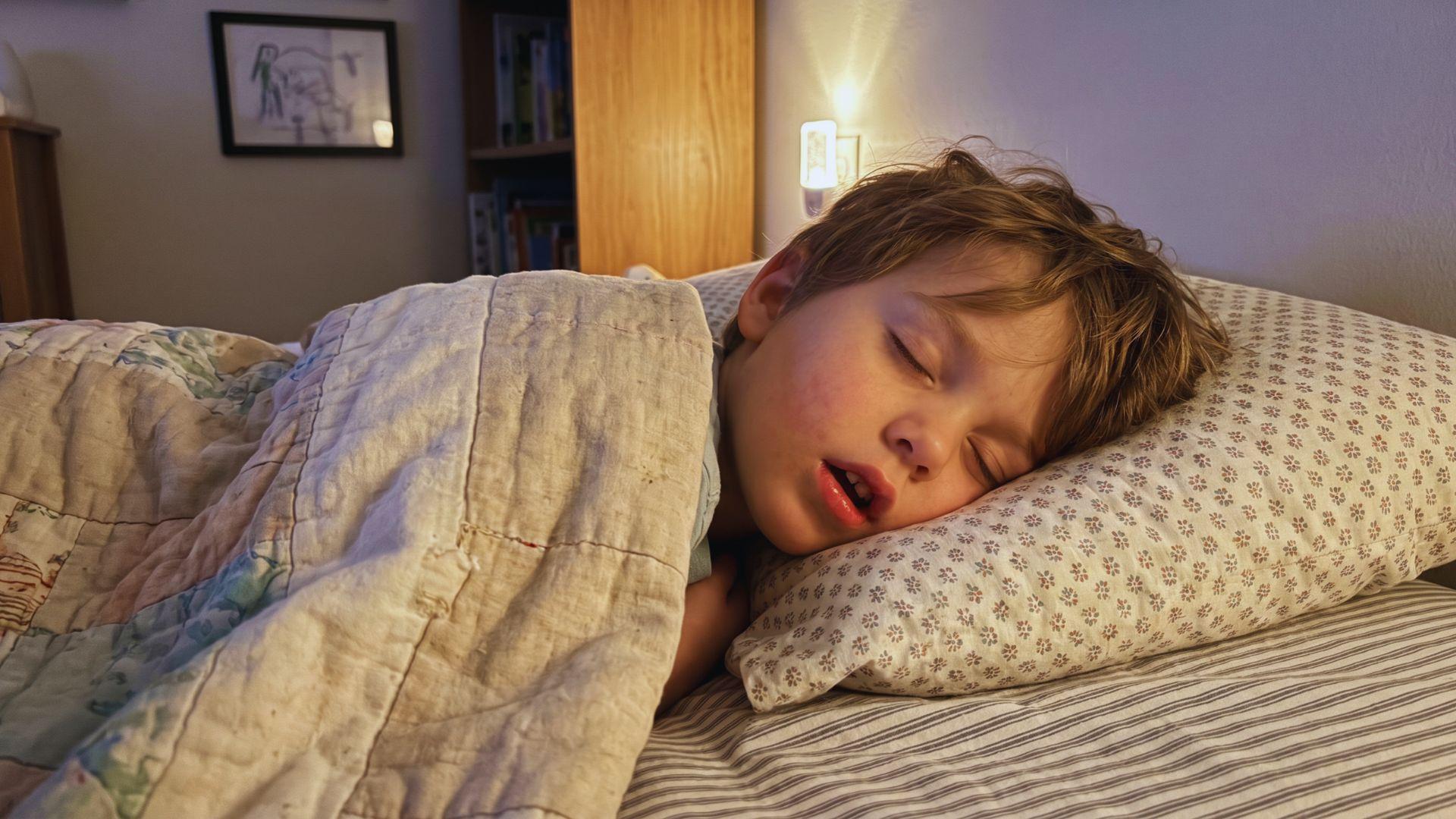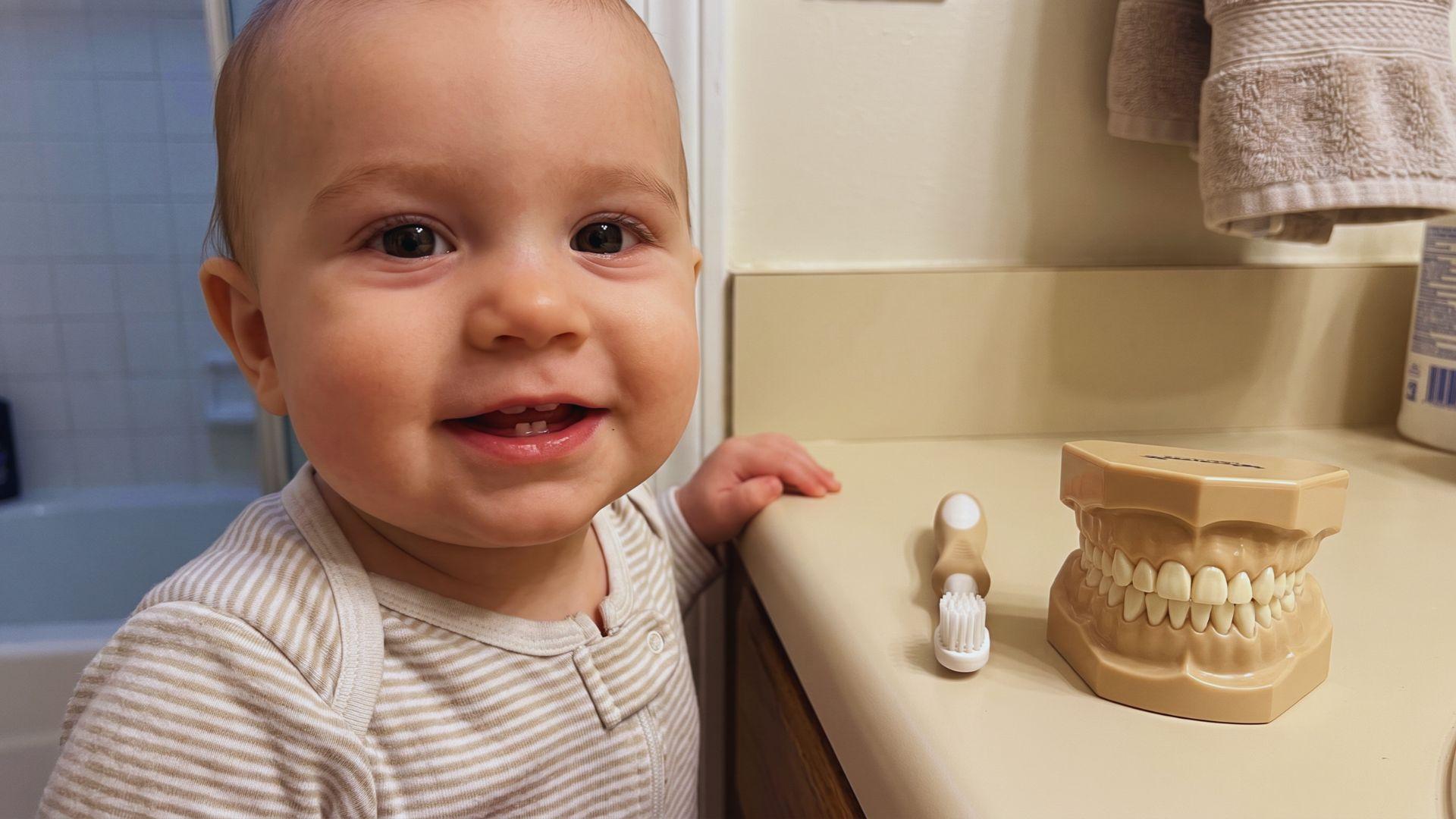

If you’ve gone through your third bib before lunch, you’re probably wondering when babies stop drooling so much. The answer is yes, it does stop.
For the majority of children, things settle down between 18 and 24 months, though the path there looks different for every child.
Drooling isn’t just a teething side effect. It starts earlier, ends later, and is driven by something parents rarely hear about.
Understanding what’s actually behind it makes the whole phrase easier to read, and easier to know when, if ever, you need to act.
When Do Babies Stop Drooling So Much?
Babies stop drooling as much somewhere between 18 and 24 months. That’s when oral motor control has developed enough to actually manage saliva properly.
Some children take a little longer. Occasional drooling at 3 or even 4 is still normal, particularly during illness or a late teething round.
If it feels heavier than occasional at that age, excessive drooling in 3-year-olds tends to follow a few specific patterns that are worth knowing.
The cutoff isn’t a single date. There’s wide variation between children, and that variation is normal.
One baby may taper off at 16 months. Another may still be going through bibs at 26 months.
Drooling also doesn’t follow the teething timeline. Many babies drool heavily before any tooth appears. Others keep drooling well after their last tooth comes in.
If those two things don’t line up for your child, that’s not a red flag. They’re separate processes.
But to understand when it stops, it helps to understand why it’s happening in the first place.
Why Babies Drool So Much in the First Place
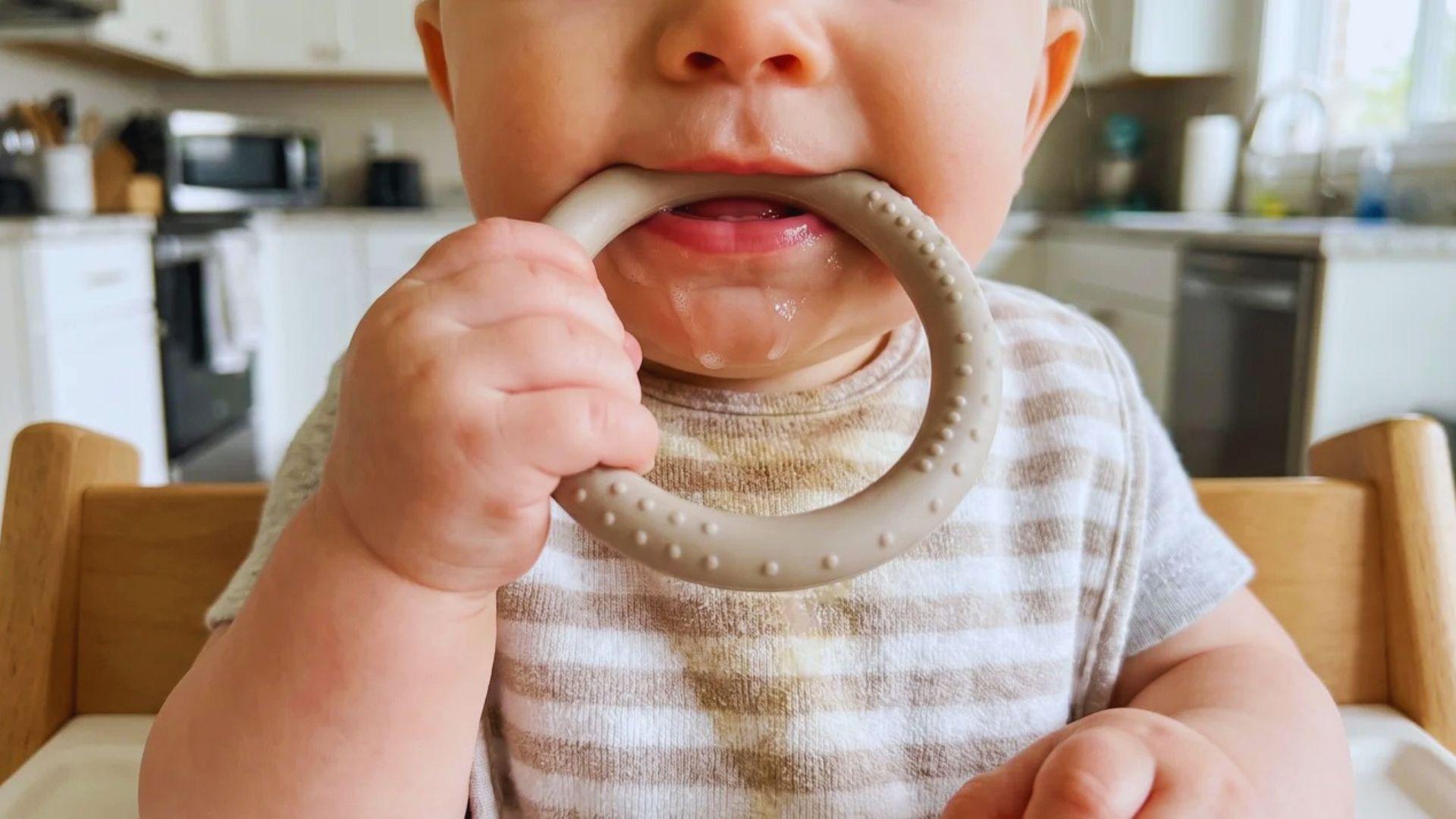
Two things are happening at once when a baby drools heavily: the salivary glands are producing more saliva than before, and the muscles needed to manage it aren’t ready yet.
Here’s what’s actually going on at each stage:
- Salivary glands activate around 2 to 3 months. Output increases significantly. But swallowing saliva is a muscular skill, not a reflex. Until that skill develops, the excess has nowhere to go.
- Between 6 and 18 months, two things compound. Teething increases saliva production. Solid food exploration adds more. Both happen at the same time, so drooling usually peaks then.
- Teething triggers extra saliva but isn’t the cause of drooling. The real driver is oral motor control: a baby’s ability to close their lips and position their tongue to manage what’s in their mouth.
- That control develops on its own timeline. It has nothing to do with how many teeth have come in. This is why drooling often continues well after teething ends.
Teeth and muscle development don’t follow the same schedule. Once that clicks, the timeline starts making a lot more sense.
Now that you know what’s driving it, here’s how that plays out month by month.
The Drooling Timeline: What’s Normal at Every Stage
Drooling typically starts around 2 to 3 months and winds down by 18 to 24 months. Here’s what’s normal at each stage in between.
2 to 3 Months
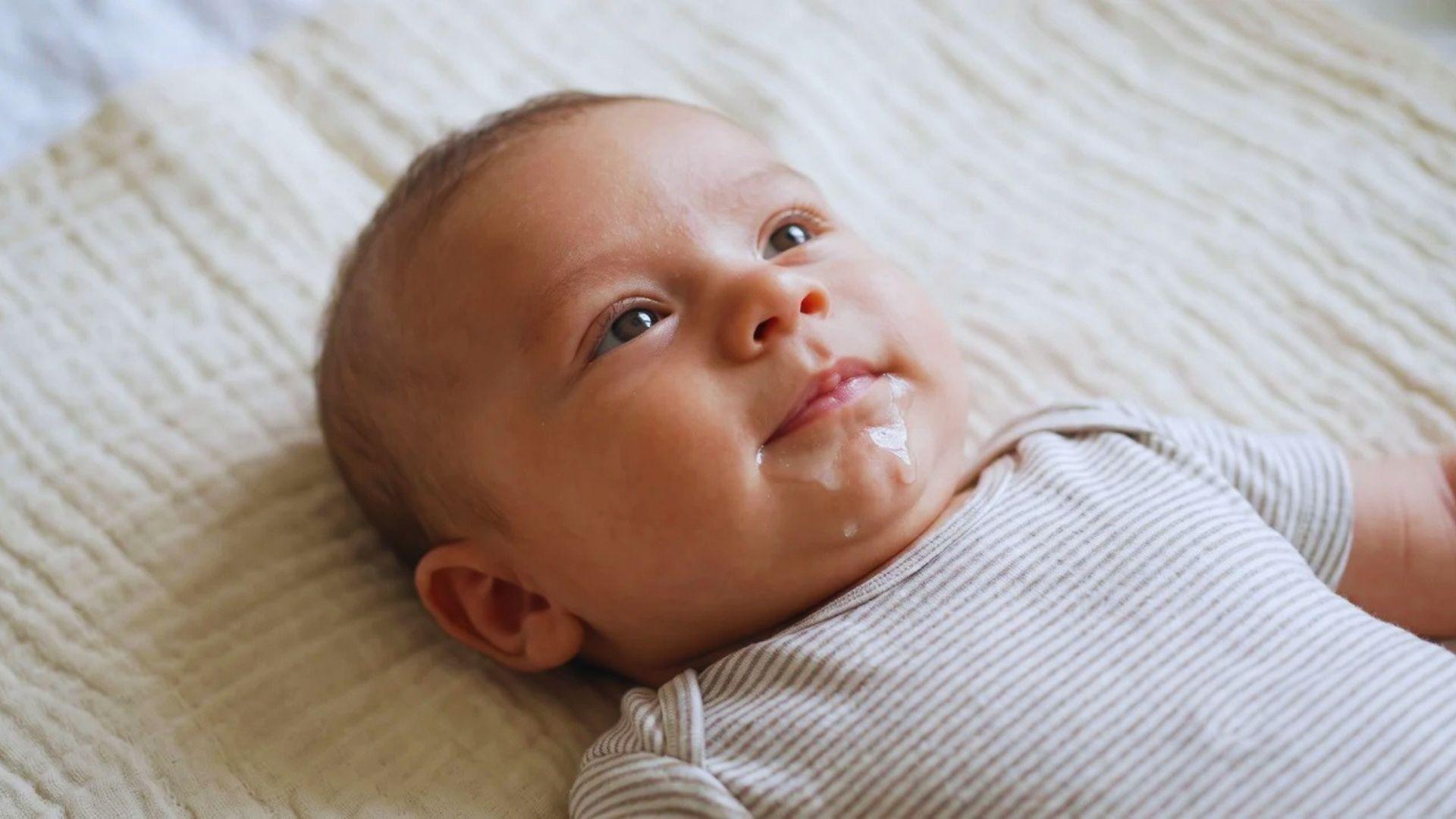
This is when drooling usually begins. The salivary glands have switched on, but the muscles to manage saliva aren’t there yet. No teeth are involved at this point.
- Salivary glands activate and output increases noticeably.
- Swallowing and lip closure muscles are still undeveloped.
- Everything ends up outside the mouth because there’s no control yet.
It’s a pure volume problem at this stage. Nothing more.
4 to 6 Months
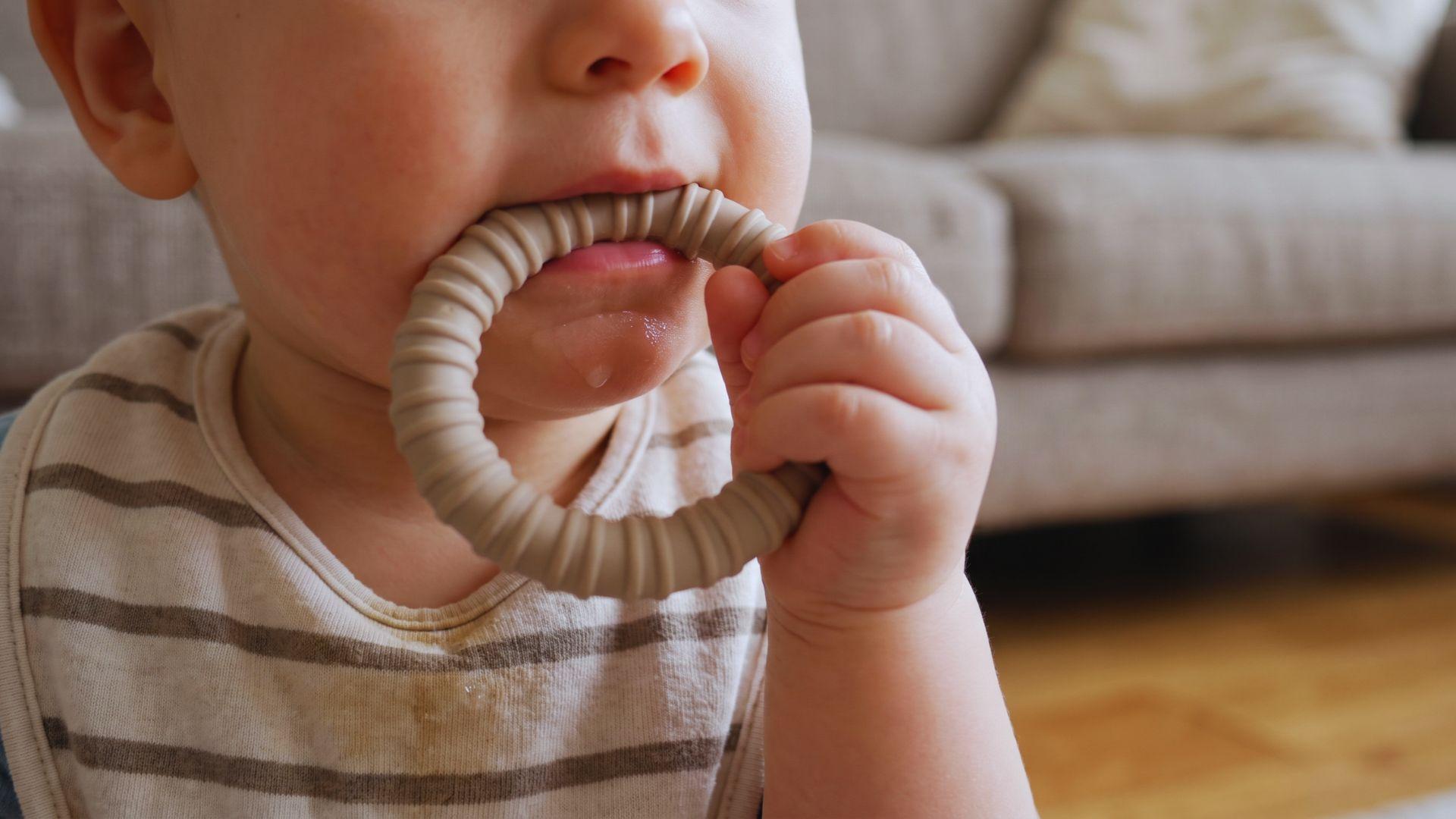
Drooling picks up here, sometimes significantly. Babies are mouthing everything they can reach, and first teeth may be starting to move under the gums.
- Constant oral stimulation signals the glands to produce more saliva.
- Early teething activity adds to the volume under the surface.
- Drooling can feel sudden and heavier compared to previous months.
This is the stage where parents start reaching for bibs regularly.
6 to 18 Months

This is peak drooling for many babies. Teething is active, and solid foods are being introduced at the same time.
- Both teething and new foods drive saliva production higher simultaneously.
- Some babies soak through multiple bibs a day during this stretch.
- Chin rashes from constant moisture are common and normal here.
It can feel like a lot. For the majority of babies, it genuinely is a lot during this window.
18 Months to 3 Years
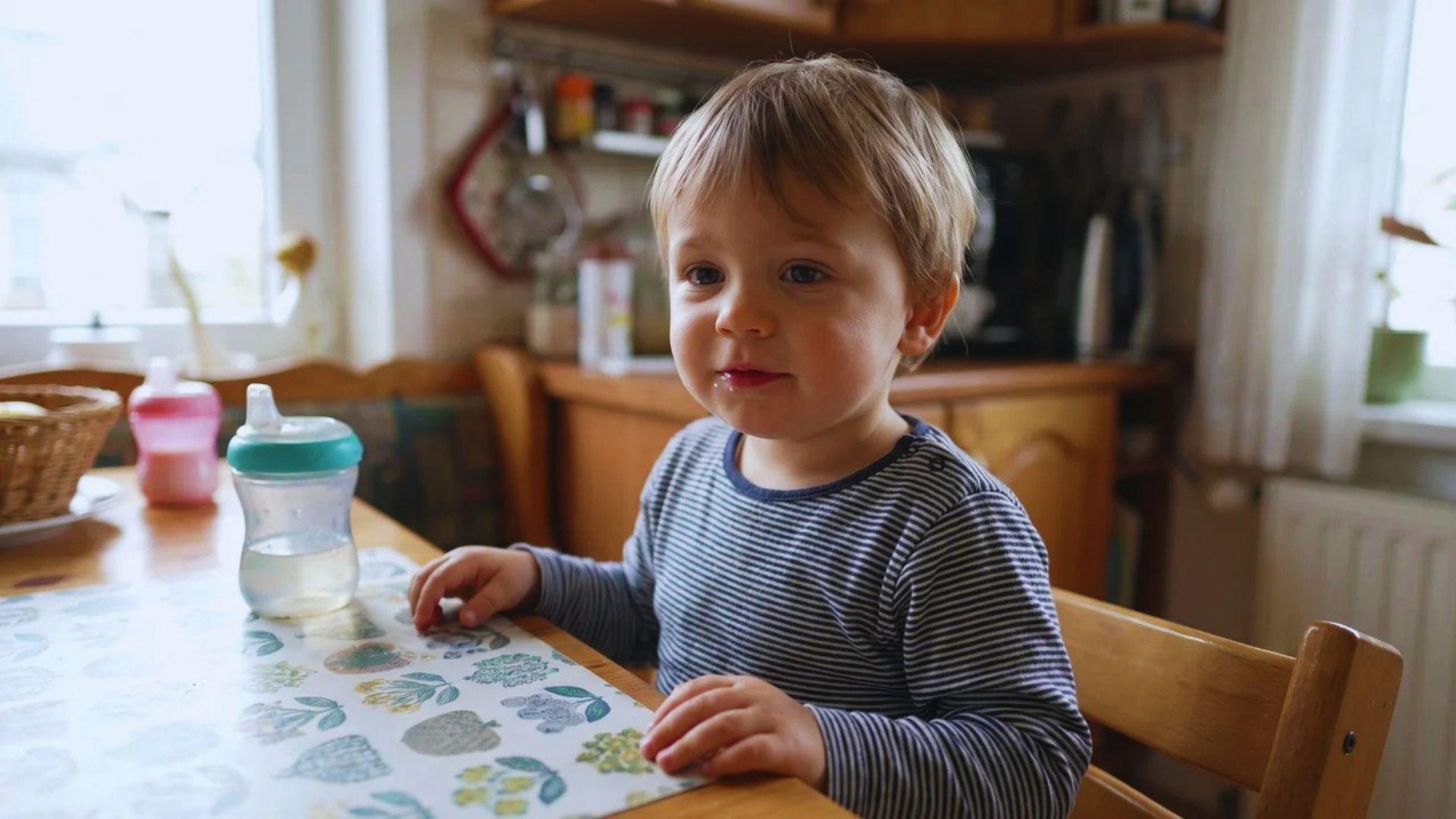
Drooling gradually reduces as lip closure improves and swallowing becomes more automatic. The majority of children are mostly dry by 24 months.
Occasional drooling during illness, teething, or deep concentration can still happen through age 3 or 4.
Children with oral motor difficulties may move through this timeline differently, and that’s covered in the next section.
For the vast majority of children, that timeline plays out without any issues. But there are specific situations where drooling is worth paying closer attention to.
When Drooling Should Actually Concern You
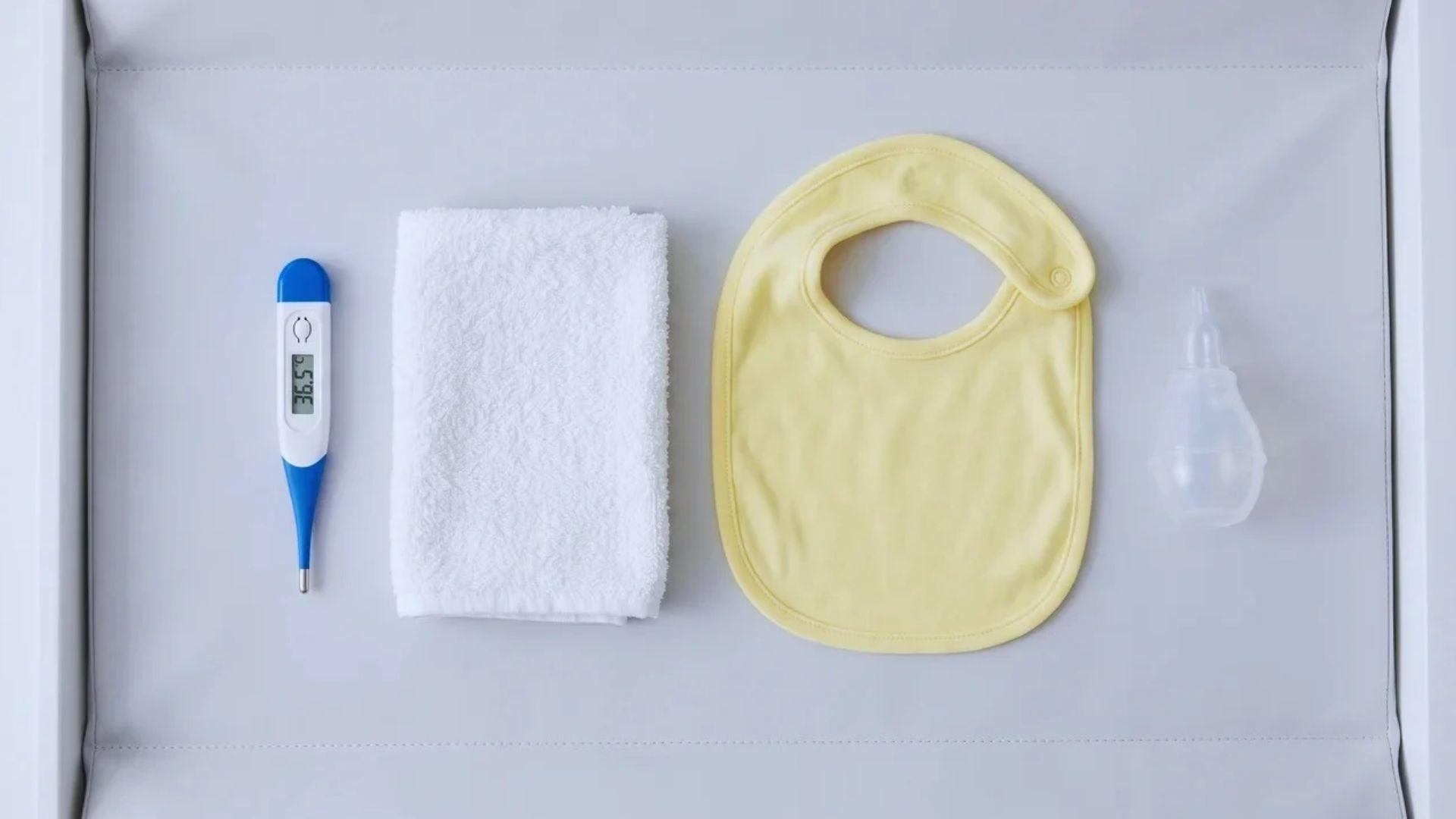
Heavy drooling past age 2 or 3 is not automatically a problem. The concern isn’t age alone. It’s age combined with specific signs that something else is going on.
There are two very different situations here, and they need different responses.
The first is persistent developmental drooling.
This is when drooling continues past the expected window, but nothing else seems off.
In this case, bring it up at your child’s next scheduled well-child visit. It doesn’t need an urgent call. Your pediatrician will check if oral motor development is on track.
Watch for these signs at the appointment:
- Difficulty chewing or swallowing food
- Trouble keeping the mouth closed at rest
- Speech that seems delayed or unclear for their age
- Drooling that is constant and heavy, not occasional
The second is sudden-onset drooling with other symptoms.
This is a different situation entirely and needs immediate attention.
Seek emergency care if drooling appears suddenly alongside:
- Fever and a visibly sore throat
- Difficulty breathing or swallowing
- Inability to speak or make sounds normally
That combination can signal an acute infection or airway issue. It is not a wait-and-see situation.
The distinction matters. Persistent drooling in an otherwise developing child is a conversation at a check-up. Sudden drooling with breathing or swallowing changes is a reason to act now.
Once you know what to watch for, the rest of the phase is a lot easier to sit with.
Final Verdict
Babies stop drooling so much when their oral motor control catches up to their saliva production.
That’s really all it is. The bibs, the chin rashes, the soaked collars are temporary signs of a system still coming online.
For a large number of children, it resolves on its own. Your job is knowing the difference between normal variation and something worth raising with a doctor.
If anything in this article gave you pause about your child’s development, bring it up at your next pediatric visit. That’s always the right next step.
Frequently Asked Questions
How long does the drooling phase actually last?
For babies, heavy drooling runs from around 2 to 3 months through 18 to 24 months. Some children have occasional episodes past that, but consistent daily drooling typically wraps up well before age 3.
My 2-year-old still drools a lot. Is that abnormal?
Occasional drooling at 2 is still normal, especially during teething, illness, or focused play. It only becomes worth flagging if it’s constant and paired with trouble chewing, speaking, or keeping the mouth closed.
Does drooling mean my baby is hungry?
Drooling is driven by salivary gland activity and developing muscle control, not hunger. A baby can drool heavily right after a full feed, and a hungry baby won’t necessarily drool more than usual.
Does teething gel or medicine affect drooling?
Teething gels reduce gum discomfort but don’t reduce saliva production. Drooling may briefly seem less noticeable when a baby is calmer, but the volume doesn’t actually change. Nothing topical speeds up oral motor development.